Exploring Sustainable Fashion Trends in Australia


Understanding Sustainable Fashion
Sustainable fashion is more than a trend; it's a movement towards a more ethical and eco-friendly industry. In Australia, this shift is gaining momentum, driven by both consumer demand and innovative designers. As awareness grows, so does the desire to make more environmentally conscious choices in our wardrobes.
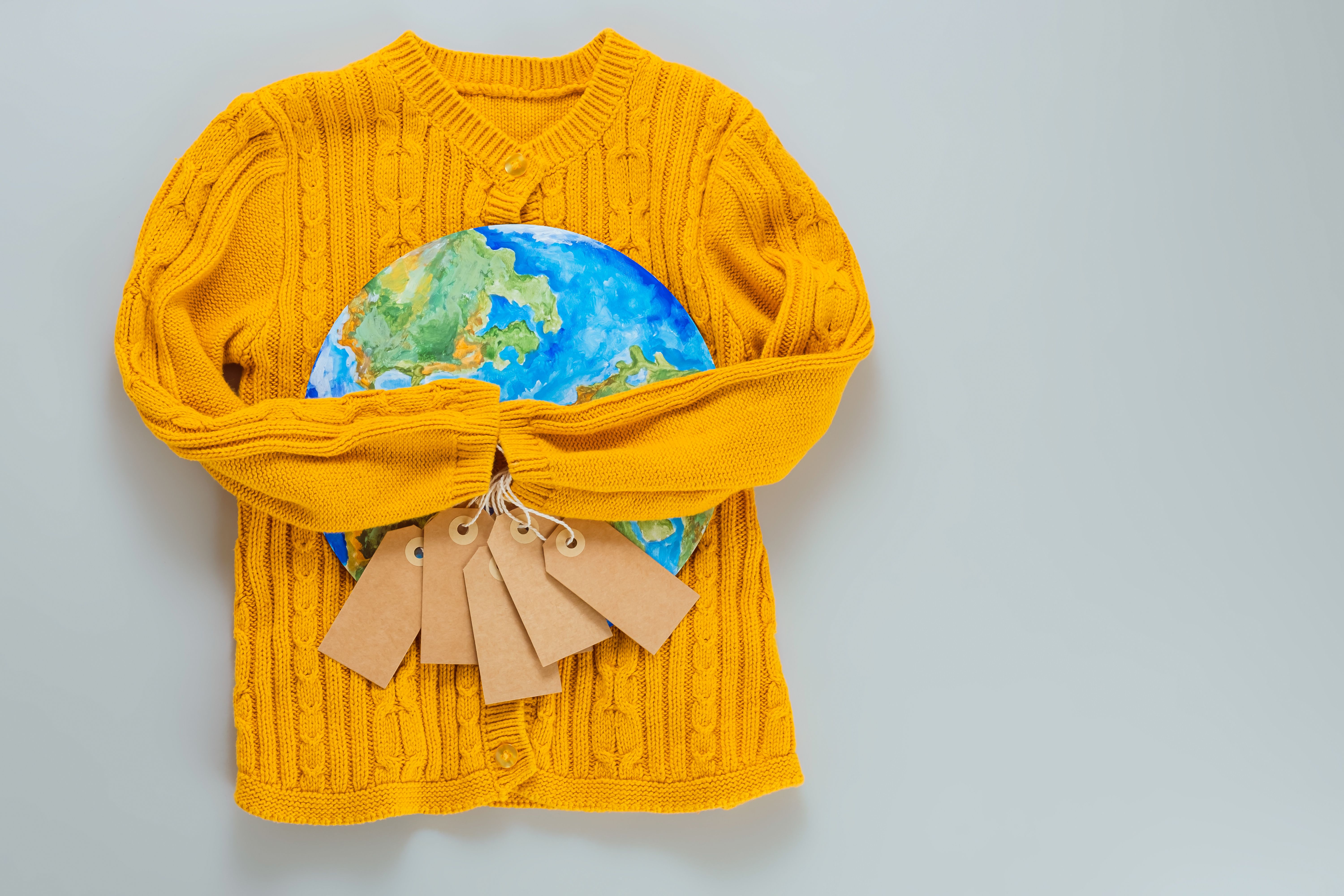
The essence of sustainable fashion lies in creating garments that prioritize the planet and the people involved in the production process. This includes using eco-friendly materials, ethical labor practices, and reducing waste. By making informed choices, consumers can support brands that are committed to sustainability.
Eco-Friendly Materials
One of the cornerstones of sustainable fashion is the use of eco-friendly materials. Australian designers are increasingly turning to organic cotton, hemp, and recycled fabrics. These materials require fewer resources and have a lower environmental impact compared to conventional fabrics.
Furthermore, innovative materials like Tencel and bamboo are becoming popular for their biodegradability and minimal water usage. These options not only benefit the environment but also offer comfort and durability to the wearer.
Ethical Production Practices
In addition to material choices, ethical production practices are crucial for sustainable fashion. This involves ensuring fair wages, safe working conditions, and transparency in the supply chain. Many Australian brands are leading the way by partnering with certified factories that uphold these values.
Consumers can look for certifications such as Fair Trade and Ethical Clothing Australia to verify that the brands they support adhere to these standards. Supporting ethical practices helps protect workers' rights and promotes a more equitable industry.

Reducing Fashion Waste
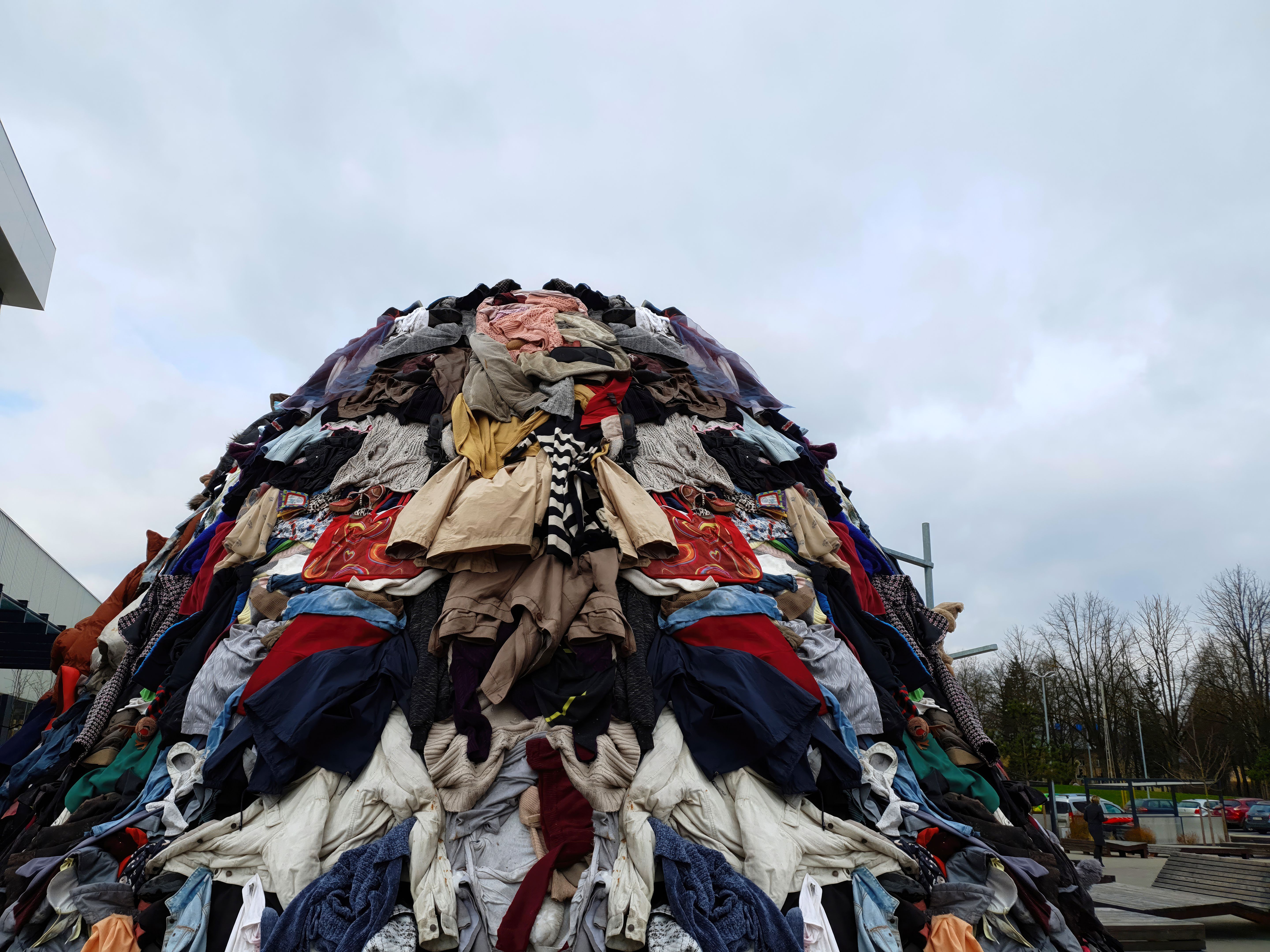
Waste reduction is another key aspect of sustainable fashion. The rise of fast fashion has led to a significant increase in textile waste, with garments often discarded after just a few wears. Fortunately, there is a growing emphasis on quality over quantity, encouraging consumers to invest in timeless pieces.
In Australia, initiatives such as clothing swaps, rental services, and upcycling workshops are becoming popular ways to extend the life of garments. These practices not only reduce waste but also offer creative and economical alternatives to buying new clothes.
Embracing Local and Indigenous Design
Supporting local and Indigenous designers is a powerful way to foster sustainable fashion in Australia. These designers often incorporate traditional techniques and sustainable practices passed down through generations. By embracing local talent, consumers contribute to the preservation of cultural heritage and sustainable development.
Additionally, purchasing locally made products reduces the carbon footprint associated with transportation and supports the local economy.
Conclusion
Exploring sustainable fashion trends in Australia reveals a vibrant and dynamic industry committed to positive change. By choosing eco-friendly materials, ethical production, waste reduction, and supporting local designers, consumers play a vital role in shaping a sustainable future for fashion.
As awareness and accessibility continue to grow, sustainable fashion is set to become an integral part of the Australian fashion landscape, offering stylish and responsible choices for all.