How to Embrace Sustainable Fashion Trends in Australia


Understanding Sustainable Fashion
Sustainable fashion is more than just a trend; it's a movement towards more ethical and environmentally friendly clothing practices. In Australia, this movement is gaining momentum as consumers become increasingly aware of the impact their fashion choices have on the planet. Embracing sustainable fashion involves making conscious decisions about what we wear and how it's produced.
From reducing waste to supporting ethical labor practices, sustainable fashion covers a wide range of issues. By choosing sustainable options, you're not only helping the environment but also promoting fair trade and supporting local communities.
Choosing Eco-Friendly Materials
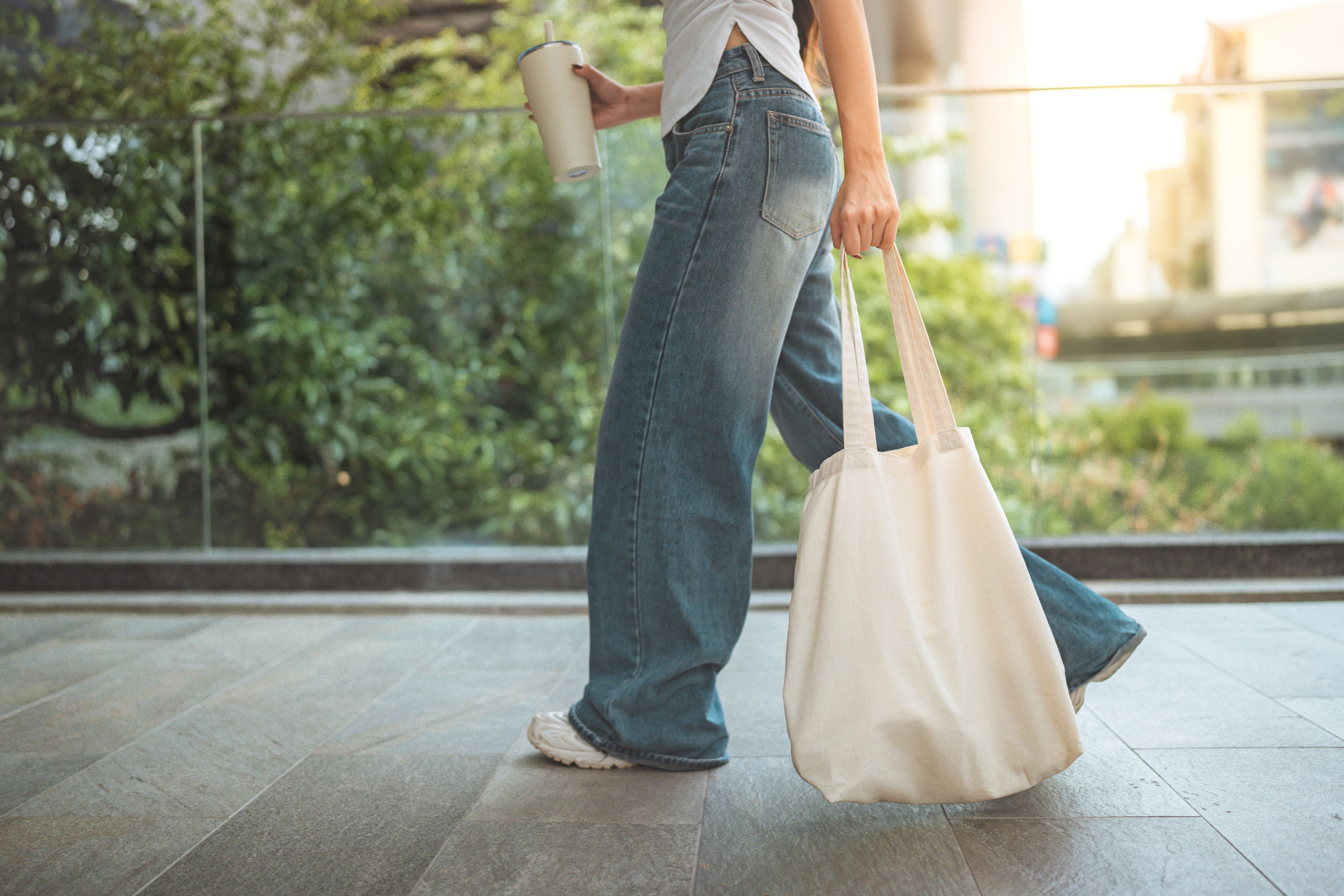
One of the primary ways to embrace sustainable fashion is by opting for garments made from eco-friendly materials. Fabrics like organic cotton, hemp, and bamboo are excellent alternatives as they require less water and chemicals to produce. Moreover, these materials are often biodegradable, reducing landfill waste.
Look for certifications like the Global Organic Textile Standard (GOTS) when shopping. These labels ensure that the products meet strict environmental and social criteria, giving you peace of mind that your purchase supports sustainable practices.

Supporting Local Designers
Australia is home to a wealth of talented designers who prioritize sustainability in their collections. By supporting local brands, you not only reduce the carbon footprint associated with shipping but also encourage the growth of the local economy. Many Australian designers focus on small-batch production, ensuring quality and reducing excess inventory.
Consider exploring markets and boutiques that feature homegrown talent. This approach not only helps you find unique pieces but also fosters a sense of community and shared values around sustainability.
Embracing Slow Fashion
Slow fashion emphasizes quality over quantity, encouraging consumers to invest in timeless pieces that last. This concept challenges the fast fashion model, which often leads to disposable clothing and significant waste. By choosing well-made garments that can be worn for years, you contribute to a more sustainable fashion cycle.
Building a capsule wardrobe is a great way to practice slow fashion. Focus on versatile pieces that can be mixed and matched, reducing the need for constantly buying new items. This approach not only saves money but also minimizes your environmental impact.

Participating in Clothing Swaps
Clothing swaps are an exciting and eco-friendly way to refresh your wardrobe. These events allow you to exchange items you no longer wear for new-to-you pieces, extending the life of each garment. By participating in swaps, you reduce the demand for new clothing production and promote a circular fashion economy.
Many communities and online platforms in Australia host regular clothing swap events. Not only do these gatherings help the environment, but they also offer a fun and social way to discover new styles.
Recycling and Upcycling
Recycling and upcycling are essential components of sustainable fashion. Instead of discarding old clothes, consider donating them to charity shops or recycling programs. Many organizations in Australia accept clothing donations and ensure that they are reused or repurposed.
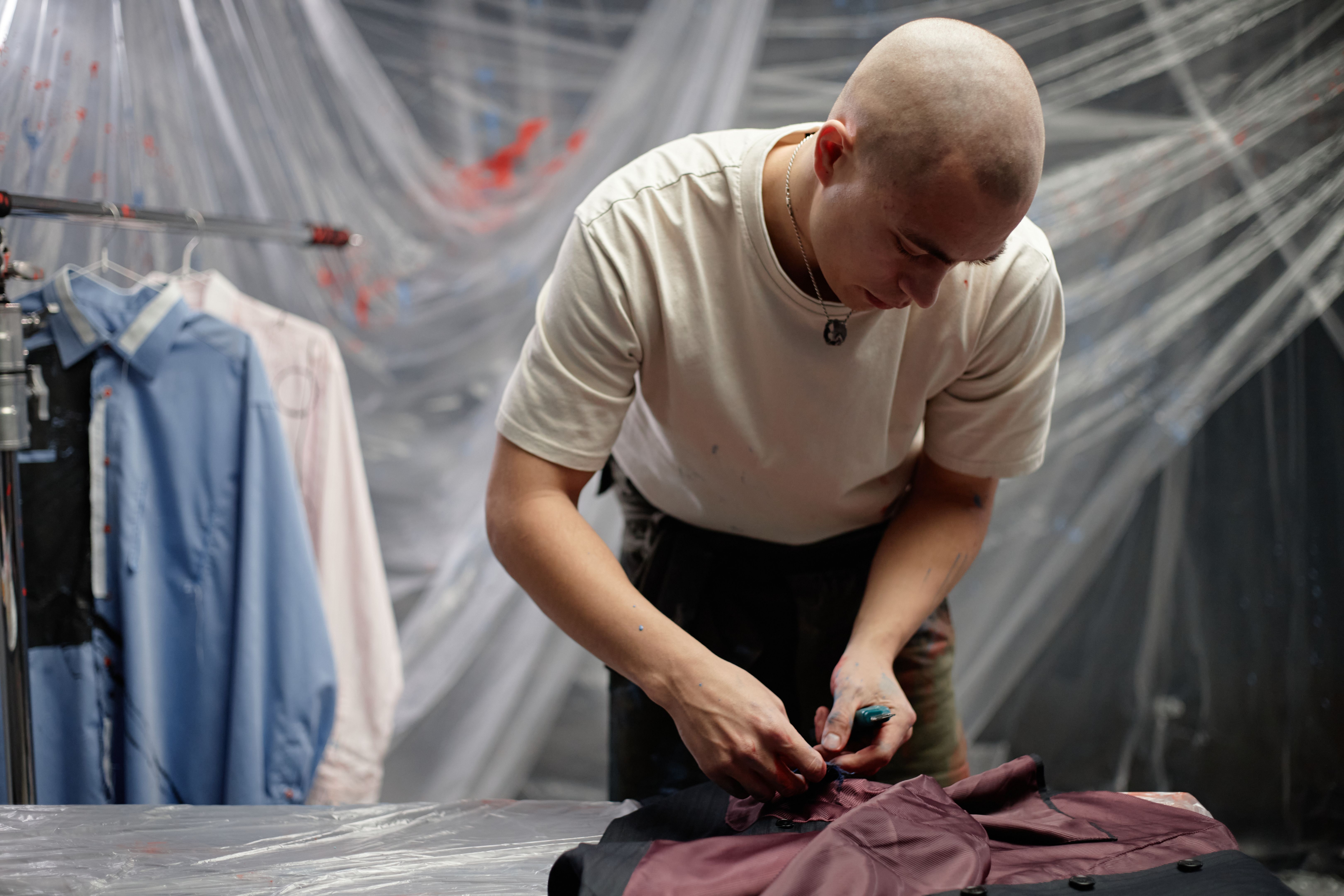
Upcycling, on the other hand, involves creatively transforming old garments into new items. This can be a fun DIY project, allowing you to express your creativity while minimizing waste. There are numerous online resources and workshops available to help you get started with upcycling.
By embracing these sustainable fashion practices, Australians can make a significant impact on the environment and foster a more ethical fashion industry. Every small change contributes to a larger movement towards a sustainable future.