Sustainable Fashion Trends in Australia: A Guide to Conscious Choices


Australia is witnessing a remarkable shift in the fashion industry as consumers become increasingly aware of the environmental and ethical impact of their clothing choices. Sustainable fashion is no longer just a trend but a movement towards a more conscious and responsible way of dressing. This guide explores some key sustainable fashion trends in Australia and how you can make more informed choices.
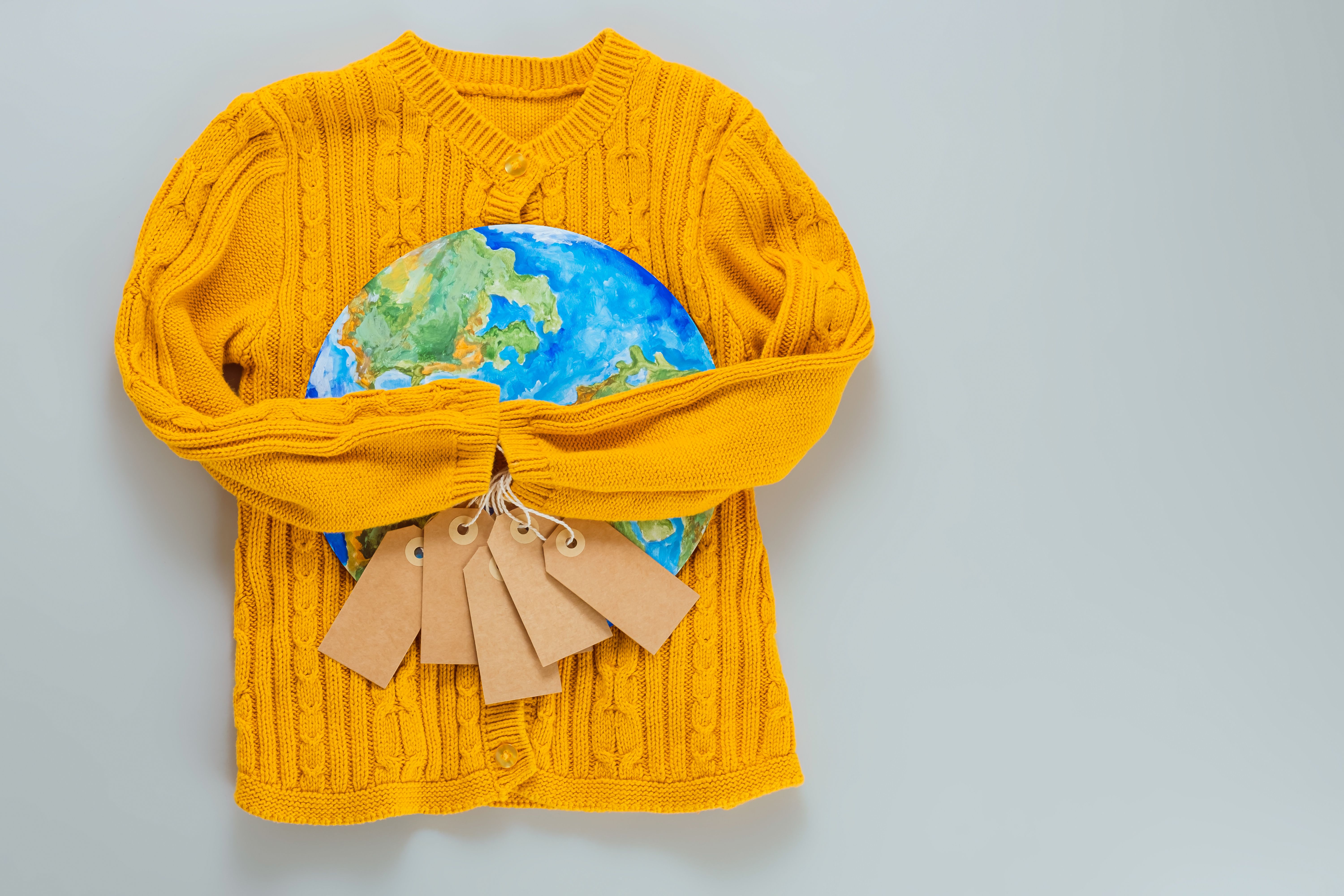
Understanding Sustainable Fashion
Sustainable fashion encompasses a range of practices aimed at reducing the environmental impact of clothing production and consumption. This includes the use of eco-friendly materials, ethical manufacturing processes, and promoting a circular economy. In Australia, many brands are leading the charge by adopting these practices.
One of the core principles of sustainable fashion is transparency. Brands are increasingly sharing information about their supply chains, allowing consumers to make informed decisions. By choosing brands that prioritize transparency, you can support ethical practices and reduce your carbon footprint.
Eco-Friendly Materials
Eco-friendly materials are at the heart of sustainable fashion. In Australia, there is a growing emphasis on using organic cotton, bamboo, and recycled fibers. These materials not only reduce environmental impact but also offer unique textures and durability.
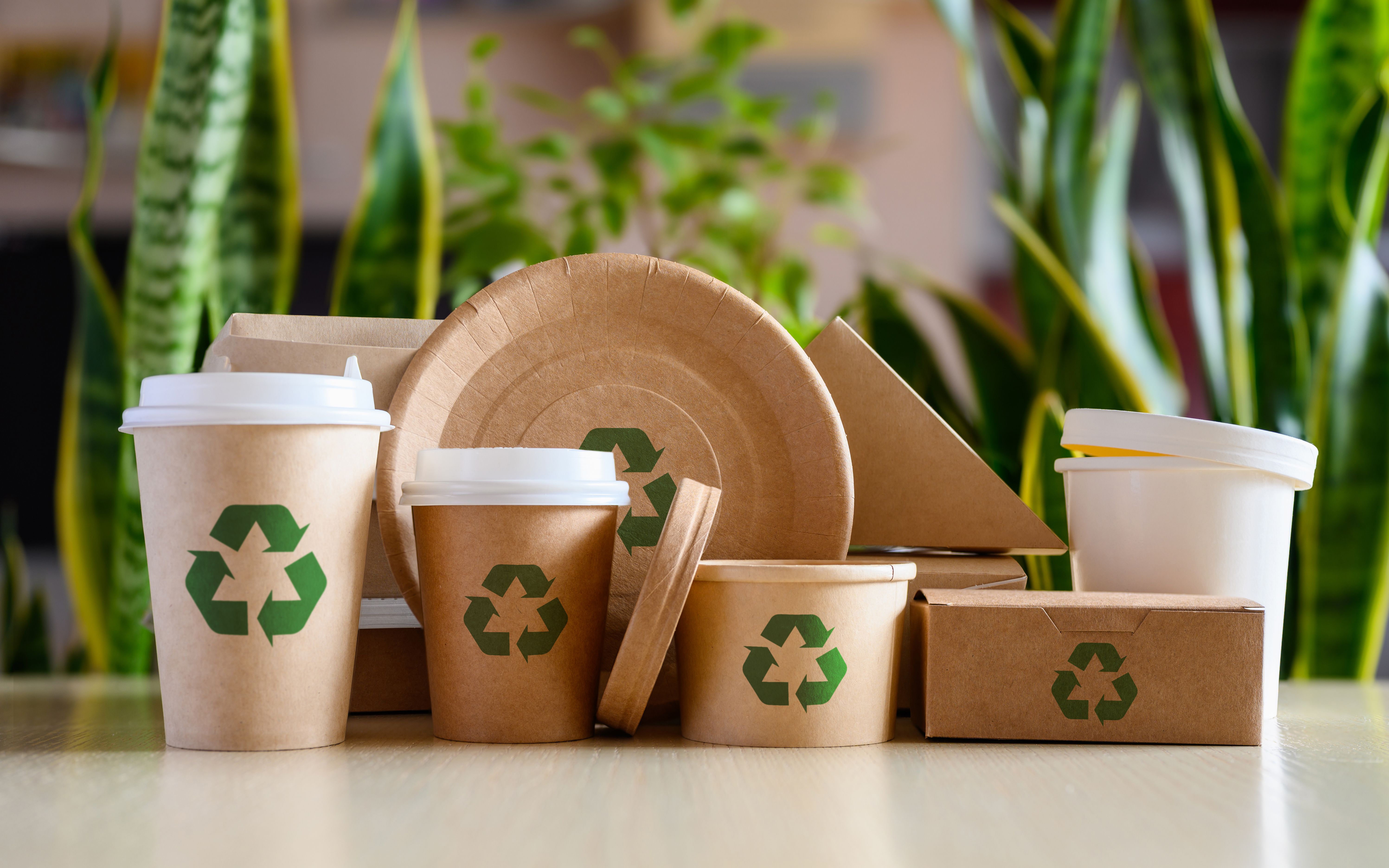
Organic cotton is grown without harmful pesticides and chemicals, making it a healthier choice for both the environment and consumers. Bamboo is another popular option due to its rapid growth and minimal resource requirements. Recycled fibers, made from repurposed materials, help minimize waste and contribute to a circular fashion economy.
Ethical Manufacturing Practices
Ethical manufacturing is a key component of sustainable fashion. This involves fair wages, safe working conditions, and respect for workers' rights. Many Australian brands are committed to ethical manufacturing, ensuring their products are made responsibly.
By supporting brands that prioritize ethical practices, you contribute to a more equitable fashion industry. Look for certifications such as Fair Trade or B Corp, which indicate a brand's commitment to ethical manufacturing.
The Importance of a Circular Economy
A circular economy in fashion involves designing products with their end-of-life in mind. This means creating clothing that can be easily recycled or repurposed, reducing waste in landfills. Australian consumers are increasingly embracing this concept by participating in clothing swaps, upcycling, and supporting second-hand stores.
By adopting a circular mindset, you can extend the life of your garments and contribute to a more sustainable fashion ecosystem. Consider donating or recycling your old clothes instead of discarding them.
Making Conscious Fashion Choices
Becoming a conscious consumer means making intentional choices about the clothes you buy. Here are a few tips to help you make more sustainable fashion decisions:
- Research brands before purchasing to ensure they align with your values.
- Invest in quality pieces that will last longer.
- Support local and independent designers who prioritize sustainability.
- Embrace a minimalist wardrobe by choosing versatile and timeless pieces.
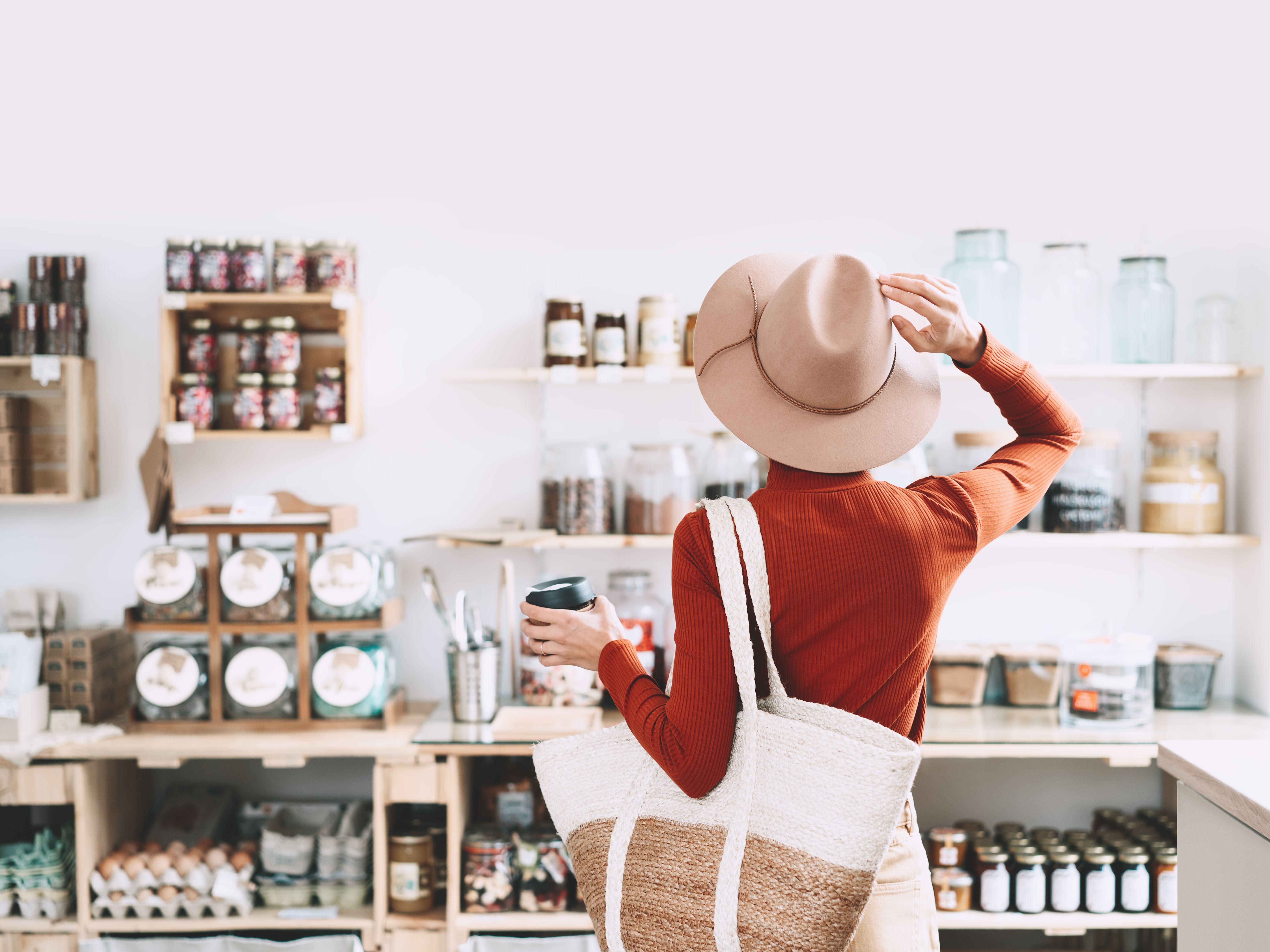
By following these guidelines, you can make a positive impact on the environment and support the sustainable fashion movement in Australia. Remember, every small choice counts, and together, we can create a more sustainable future.