The Ultimate Guide to Wedding Dress Tailoring: What Brides Need to Know


Understanding the Importance of Tailoring
Every bride dreams of walking down the aisle in a dress that fits like a glove. The key to achieving this perfect fit is expert tailoring. Tailoring not only ensures comfort but also enhances the overall appearance of the wedding dress. It’s essential to start the tailoring process early to allow sufficient time for adjustments.
Bridal gowns are often made in generic sizes, and alterations are necessary to customize the fit for each bride's unique body shape. From adjusting the bust to hemming the length, tailoring transforms a dress into a personalized masterpiece.
When to Schedule Your Alterations
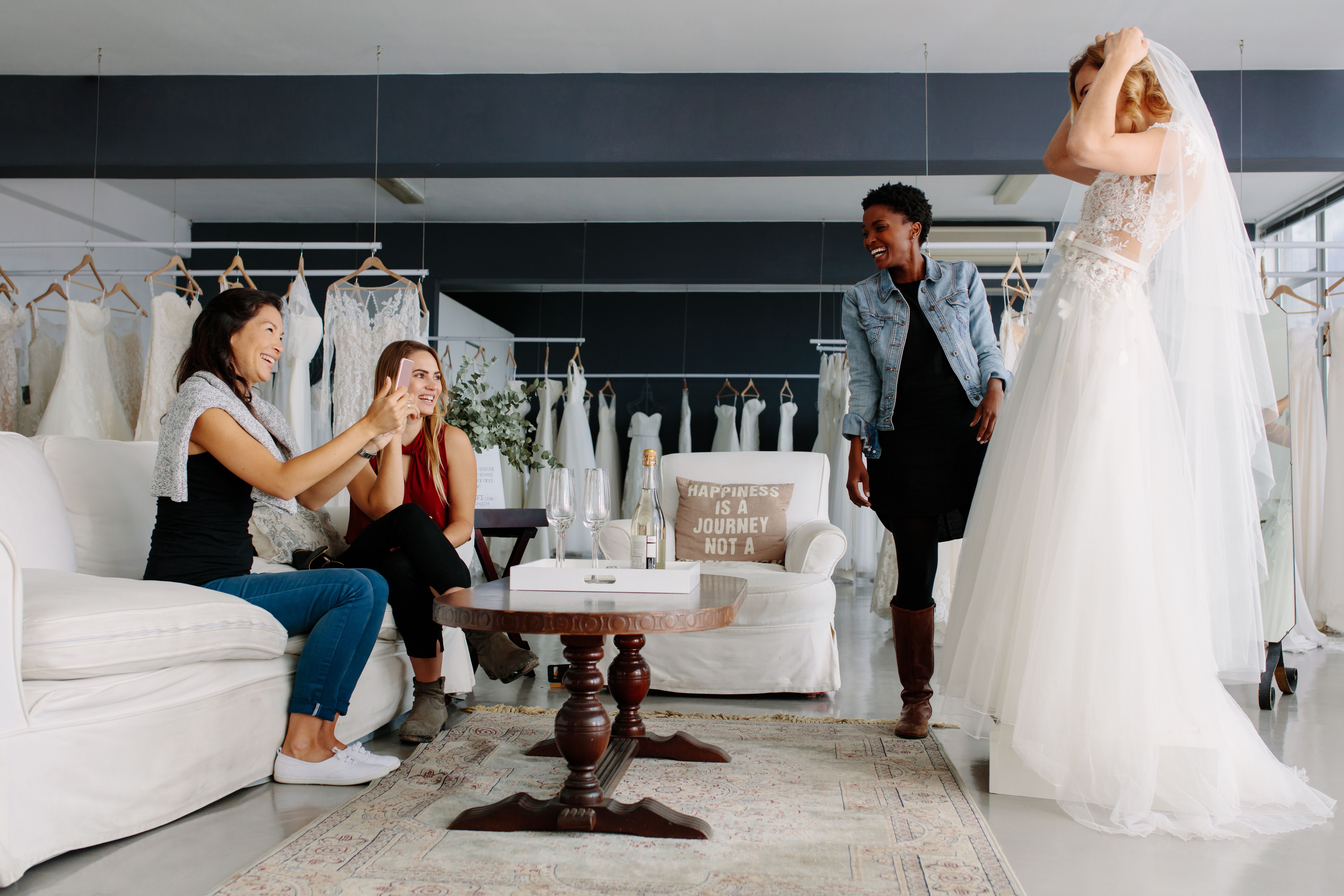
Timing is crucial when it comes to wedding dress alterations. Ideally, the first fitting should be scheduled about two to three months before the wedding day. This allows ample time for any major changes and ensures the dress is ready well in advance of the big day.
Most brides will require about two to three fittings to achieve the perfect fit. These appointments should be spaced out, with the final fitting taking place a few weeks before the wedding to accommodate any last-minute body changes.
Common Alterations and Adjustments
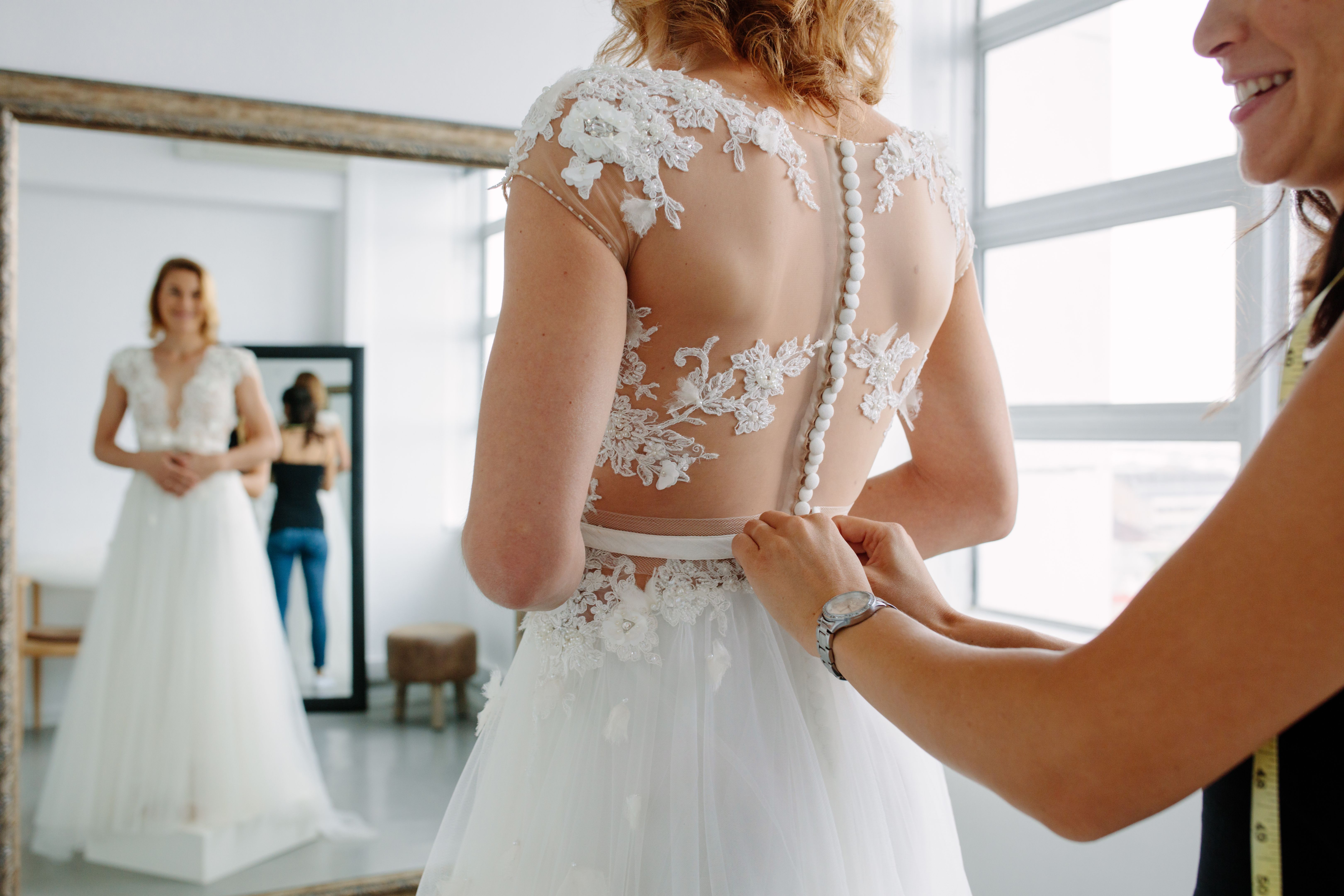
Understanding the types of alterations available can help brides make informed decisions. Common adjustments include:
- Taking in the sides: Ensures a snug fit around the bust and waist.
- Hemming: Adjusts the length of the dress to match the bride’s height and chosen footwear.
- Adding bustles: Lifts the train for easier movement during the reception.
- Adjusting straps and sleeves: Provides additional support and comfort.
Discussing these options with a skilled tailor will help determine which alterations are necessary for your specific gown.
Choosing the Right Tailor
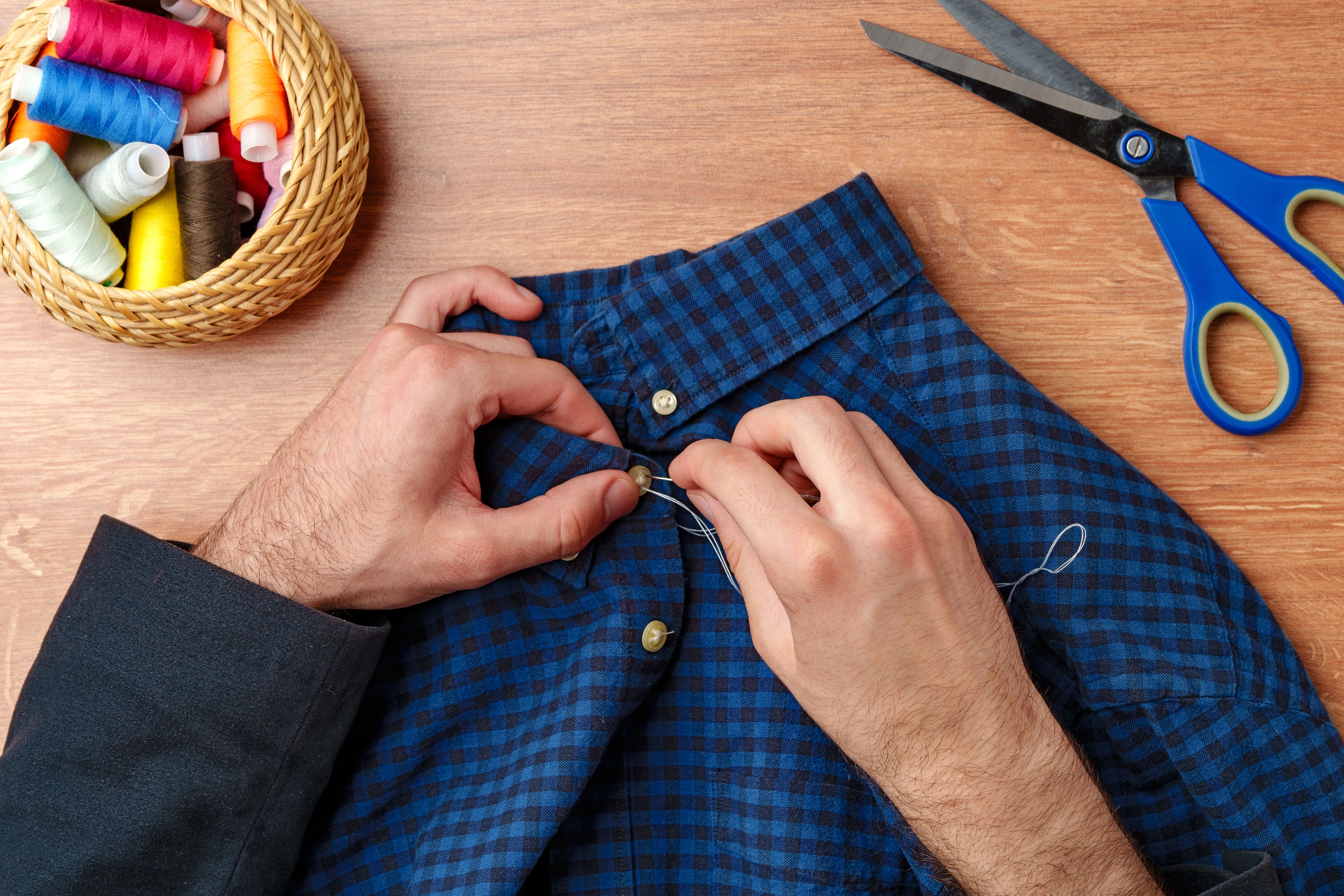
Selecting a qualified tailor is just as important as choosing the dress itself. Look for a professional with experience in bridal alterations, as wedding dresses often have intricate details and delicate fabrics. Reading reviews and seeking recommendations from friends or bridal shops can lead you to the right expert.
When consulting with a tailor, clearly communicate your vision and any concerns you may have. A good tailor will listen carefully and provide expert advice to achieve the desired outcome.
Budgeting for Alterations
Alterations can add a significant cost to the wedding dress budget, so it’s important to plan accordingly. On average, brides can expect to spend between 10% to 20% of the dress’s purchase price on alterations.
Discuss the cost upfront with your tailor to avoid any surprises. Some tailors offer package deals for multiple alterations, which can be a cost-effective option.
In conclusion, wedding dress tailoring is an essential step in ensuring a flawless fit and a confident walk down the aisle. With proper planning and communication, brides can achieve their dream look effortlessly.